

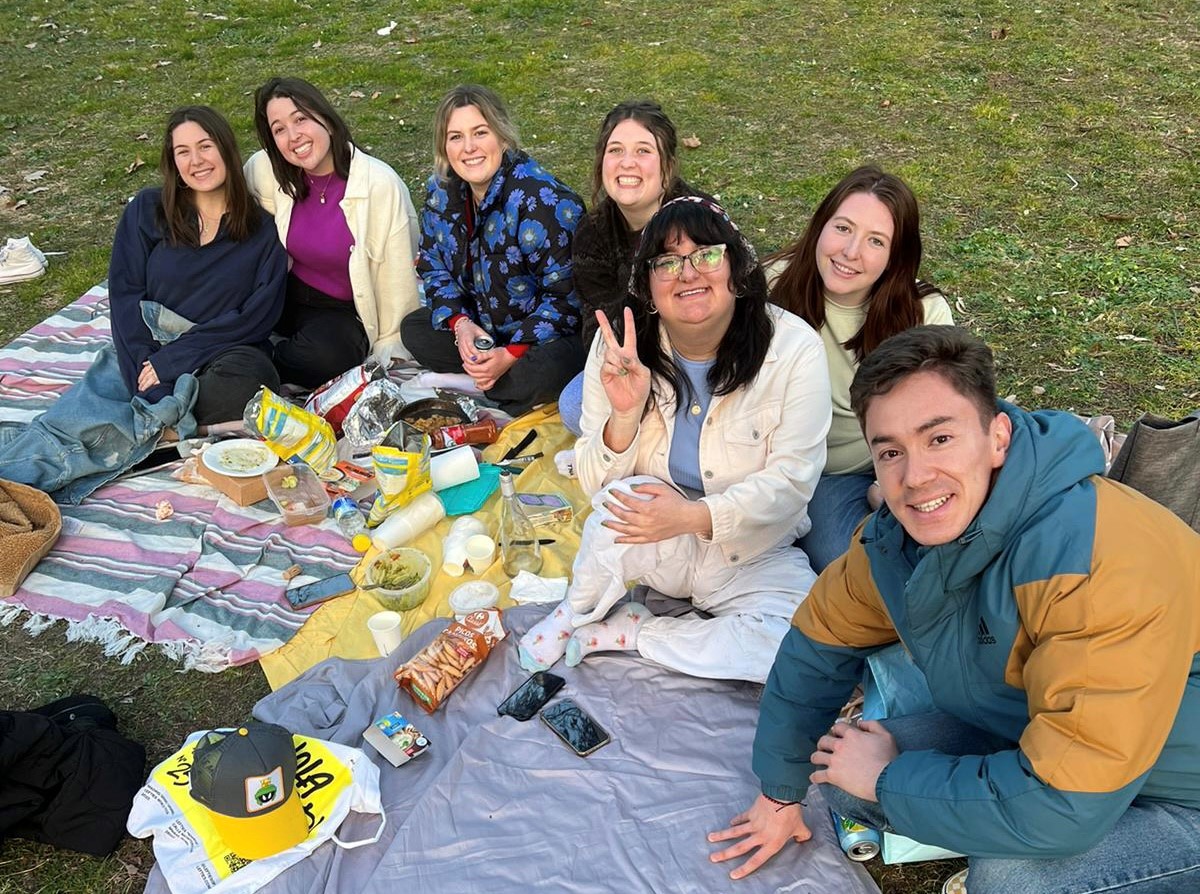
If you’re used to knowing people at the school gate or bumping into a neighbour over the weekend, starting again in another country can feel rather quiet. Regular activities give both adults and children a chance to see familiar faces again, without having to arrange every meeting themselves. That can be a comfortable way to get to know people when introductions are still new.
For families with children at an American school in Thailand, the school community can offer some of those opportunities. Parent gatherings and volunteering are worth asking about, alongside clubs for the children. They give adults a reason to spend time together while helping them understand more about the place where their children spend the day.
The same idea works outside school. A weekly Thai language class, a swimming group or a hobby you have wanted to try can bring you back into contact with the same people. A shared interest gives you something to talk about besides where you have just moved from. You can choose an activity because you enjoy it, even if the rest of the family has no interest in coming along.
Turning a conversation into another meeting
A friendly conversation does not always lead to plans unless someone suggests them. Inviting another parent for coffee after drop-off or asking a family to join you at a park gives the next meeting a time and place. It can stay informal. You do not need to know someone well enough for a whole afternoon together before suggesting a short catch-up.
For younger children, meeting outside the classroom can give them more time to play with someone they like. A playground or another familiar place keeps the activity simple. Talking with the other parent about timing and food beforehand makes the visit easier to arrange, especially when families are still learning one another’s routines.
Teenagers may prefer a little more say in the process. Their friendships might develop through a team, a club or people they work with in class. An introduction arranged by parents can be helpful, but it need not become a friendship the child is expected to maintain. Showing interest in who they enjoy spending time with is a better starting point than choosing friends on their behalf.
Parents benefit from having contacts of their own as well. If one adult has moved for work, colleagues may become familiar much sooner than neighbours do. The other adult may need different opportunities to meet people. A class or community activity can give each person something in the week that does not depend on their partner’s job or the children’s plans.
Old friendships can still have a place while new ones develop. Children may enjoy an arranged call with a friend from their previous school, particularly when time differences make spontaneous calls difficult. Sharing a favourite book, game or interest can give them something to discuss besides the move. Adults can make those arrangements too, choosing a time when they can talk properly rather than fitting a conversation around unpacking.

Comments are closed.