

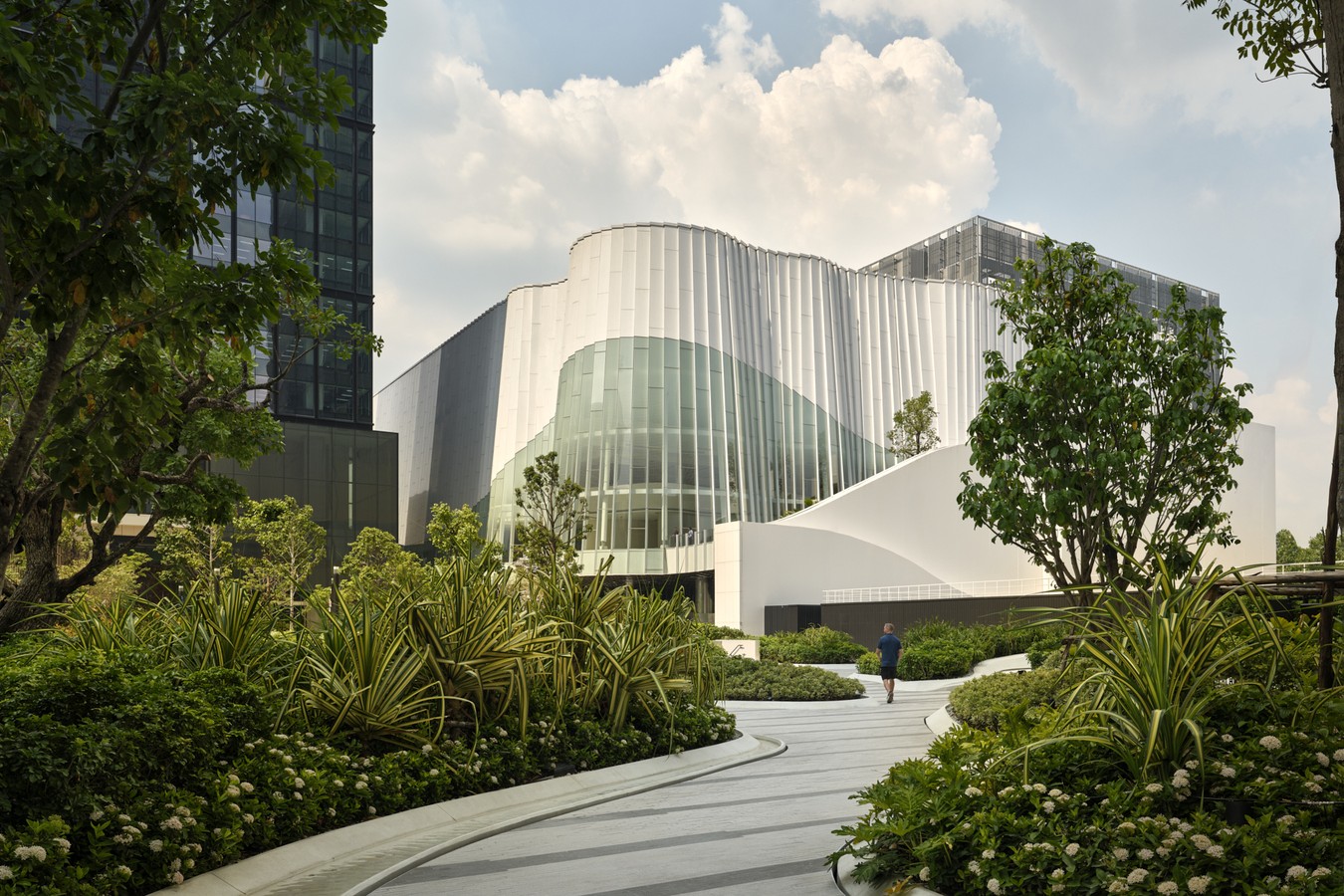
Bangkok’s outdoor spaces are used for a lot more than a casual stroll to feed to ducks. They host exercise classes, markets, performances, and casual meetups. Designing these Bangkok activity areas with a clear purpose ensures they can support a variety of events while staying accessible to the public.
Some of the most successful spaces aren’t necessarily the largest. Well-planned small parks or upgraded walkways can serve a specific role, like giving residents a safe place to walk at night or providing an open space for morning tai chi. Functionality comes from understanding what the community needs and matching the design to those needs.
Multi-Use Design Without Overcrowding
One challenge in Bangkok is creating spaces that can serve multiple purposes without becoming chaotic. For example, an open plaza might host a weekend market, but it also needs clear walkways so people can pass through easily. Good design balances flexibility with flow, ensuring that different activities can happen without interfering with each other.
Spaces for Health and Recreation
Public areas that encourage movement are in demand. Jogging tracks, cycling paths, and open lawns give residents easy ways to stay active. The city has been adding more shaded routes and seating to make these areas usable throughout the day, not just in the cooler mornings and evenings. This is particularly important in a hot climate where comfort influences how often people engage in outdoor activity.
Markets and Pop-Up Events
Some outdoor spaces in Bangkok are designed with temporary events in mind. Built-in electrical points, water access, and sheltered stalls make it easier for vendors to set up quickly. This infrastructure reduces the need for costly event-specific installations and keeps spaces ready for different uses year-round.
Shorter-term uses, like pop-up exhibitions or community fairs, can also bring people into underused spaces. When these events are well-organized, they help maintain interest in an area long after the event ends.
Adapting to the Urban Environment
Bangkok’s density means outdoor areas often need to be integrated into existing neighborhoods rather than created from scratch. Converting underutilized land, such as old parking lots or vacant corners, into functional spaces makes better use of limited real estate. These transformations can improve the appearance of an area while offering residents more reasons to spend time outdoors.
Encouraging Community Use
Spaces work best when locals feel welcome. Clear entry points, visible seating, and well-maintained surroundings send a signal that the area is open to everyone. Community notice boards, event calendars, or even small art displays can help keep residents informed and engaged.
Keeping Spaces Active
A space can lose its appeal if it becomes neglected. Regular cleaning, lighting checks, and landscaping are basic maintenance tasks that keep areas inviting. Seasonal activities, such as cultural festivals or outdoor fitness programs, can also help maintain steady use across the year.

Comments are closed.