

Preventive dental care depends less on brushing harder and more on disrupting plaque on time, every time, so acid never gets a long window to dissolve enamel. Oral diseases affect nearly 3.5 billion people worldwide (World Health Organization), yet much of that damage starts with a soft film you can remove at home if your routine has the right order and timing.
Plaque sets the clock
Plaque is a soft bacterial film. It starts to rebuild within hours after you brush. Leave it for 24 hours and it becomes tougher and more organized. The bacteria feed on sugars and fermentable carbs from meals and snacks, turning that fuel into acid.
Saliva fights back for a while. It washes away food bits and buffers acid, while also carrying calcium and phosphate that repair enamel. Enamel goes through a constant cycle of mineral loss and mineral gain. If acid hits often and plaque stays put, loss pulls ahead fast, but if plaque is cleared fully twice a day, gain can still catch up.
The aim is to keep the oral microbiome balanced so acid-producing bacteria don’t dominate, rather than trying to wipe it out.
Plaque never takes a day off.
Brush with purpose, not pressure
Many people brush too hard and too fast. They scrub back and forth with pressure that can wear gums while still missing plaque at the gumline.
Try the Modified Bass method instead. Hold a soft brush at 45 degrees to the gumline so half the bristles touch the tooth and half touch the gum. Use light pressure and small circles that vibrate more than scrub. Stay in one spot for a few strokes, then move on. Work through all four quadrants until you reach two minutes in total.
Technique beats force every time. Hard brushing won’t remove more plaque, and it can push gums back and leave roots exposed and sore. Let the bristles do the work and replace the brush once it splays. Don’t skip the tongue. A light pass removes odor-causing buildup that brushing the teeth alone won’t touch.
An electric brush can help if your hand pressure tends to be heavy. Let the head sit at the gumline and guide it slowly rather than pressing it in like a scrub pad. A manual brush also works well when the angle and timing are right. Give each quadrant about 30 seconds. Back molars trap more plaque because they are harder to see, so tilt the brush to reach behind the last tooth. If your gums feel sore afterward, lighten up rather than skip brushing.
Clean between teeth every day
A brush cleans the surfaces you can see and reach. It can’t slide into the tight contacts where teeth touch. That is why brushing alone leaves about 60% of tooth surfaces clean. The rest needs floss or interdental brushes, as many cavities and early gum problems start in those hidden contacts.
Floss and small interdental brushes both disrupt interdental plaque. Floss suits tight contacts that a brush head can’t enter, while small conical brushes suit wider gaps and exposed roots. Pick the tool that fits without forcing it. Your dentist can size interdental brushes for you at your next visit.
Healthy gums generally don’t bleed from gentle cleaning. If yours bleed, that is often a sign of early gingivitis caused by plaque sitting at the gumline. Gingivitis can settle once daily cleaning improves. If it is left untreated, it can progress toward periodontitis, which loosens the support around teeth. Bleeding that lasts beyond a week of steady, gentle flossing needs a professional check rather than harder flossing.
Good floss form is gentle. Slide it between the teeth and curve it into a C around one tooth. Move it up and down under the edge of the gum. Then curve it around the next tooth and repeat. Don’t snap it straight down onto the papilla. That sharp movement makes gums tender and puts people off flossing. Interdental brushes need no wrapping. Push them straight through and pull them back once. Rinse them and let them dry between uses.
Why home care needs backup
Daily care removes soft plaque, but it can’t remove calculus. Calculus is plaque that has hardened with minerals from saliva. Once it locks onto enamel near the gumline, no brush or floss can shift it. That rough edge then holds more plaque.
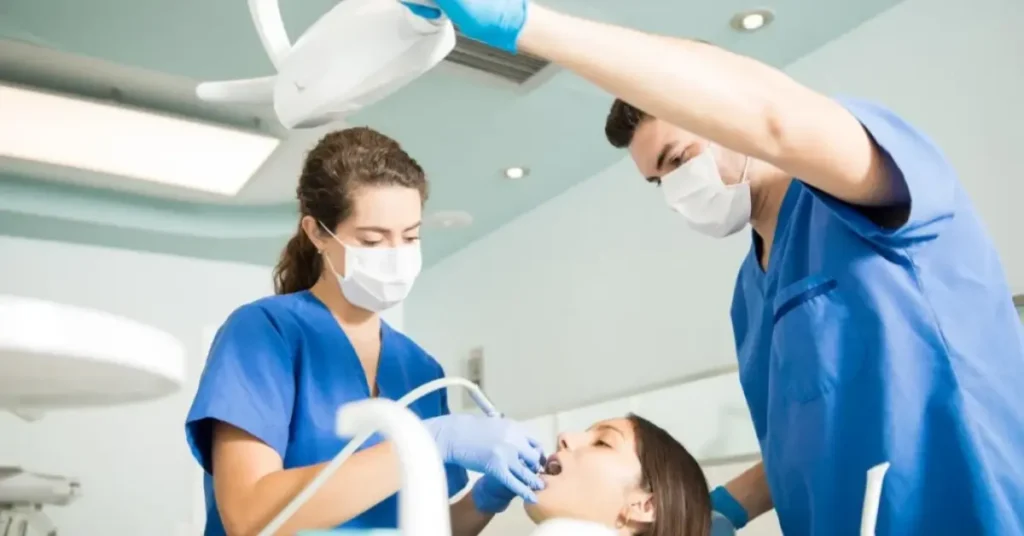
A professional clean clears hardened buildup and polishes spots you routinely miss. A check-up looks for early decay and worn fillings, while also screening soft tissues for changes you can’t see at home. To turn daily habits into a complete prevention plan, many Chigwell locals stay registered with general dentistry chigwell for regular cleans and checks that catch small issues before they grow.
Some teeth need extra protection. Deep grooves in molars can trap plaque even with good brushing. Sealants coat those fissures with a thin barrier that keeps bacteria out. Your dentist can tell you whether your molars would benefit from them. They take minutes to place and need no drilling.
A typical prevention visit has two parts. The hygienist or dentist lifts calculus with hand tools or ultrasonic tips. They then polish the teeth to smooth the surface so new plaque sticks less readily. They check gum pockets and note bleeding points, as well as examining old fillings and crowns for edges that trap food. You leave with a plan for the timing of your next recall. Low-risk mouths may go longer between visits. Higher-risk mouths come back sooner so small changes can be caught.
Eat and drink in a tooth-friendly way
Decay is driven by frequency more than volume. A single sweet treat with a meal causes one acid attack, while sipping sweet drinks throughout the afternoon causes many. Each exposure feeds acid-producing bacteria for about 20 to 30 minutes. Fewer attacks give saliva time to repair enamel between meals.
Acid erosion is different from decay. Fizzy drinks and reflux can both soften enamel without bacteria, and citrus can do the same. If you brush immediately afterward, you may scrub softened mineral away. Wait at least 30 minutes after acid exposure before you brush. Rinse with water first and let saliva reharden the surface.
Dry mouth shifts the odds toward decay. Saliva can’t buffer acid effectively when there is too little of it. Many common medicines cause dry mouth as a side effect. Night breathing and age can lower flow too. Sip water often and don’t let your mouth stay sticky for hours. Tell your dentist if dryness lasts so your prevention plan can be adjusted.
Fluoride supports enamel repair. It is found in most toothpastes and many rinses, as well as tap water in many areas. It soaks into softened enamel and helps minerals return faster. That is why contact time counts. We will use that fact in the evening routine below.
Smart sipping helps too. Water between meals rinses away sugars and acids without feeding bacteria. Plain milk with a meal is less risky than juice between meals. Chewing sugar-free gum after food can boost saliva when you can’t brush, though it shouldn’t replace brushing. Keep sweets with meals rather than eating them as separate snacks. Sticky toffee and dried fruit cling longer than chocolate that clears quickly. Both still count as sugar hits, so timing matters more than type.
Your morning and evening schedule
The right order helps fluoride work harder. The goal is straightforward: disrupt plaque fully every 12 hours and leave fluoride on the teeth overnight.
Morning shift
Morning starts with breakfast. Brush after you eat rather than before you eat. Night growth plus breakfast sugars leave plaque primed for acid, so brushing afterward clears both at once. Floss or use interdental brushes in the morning if evenings feel rushed, although evenings are usually best. If you use mouthwash, apply a fluoride rinse at a different time from brushing, such as after lunch. Mouthwash freshens the mouth and adds fluoride, but it can’t clear plaque by itself.
Evening shift
Evening care starts with floss. Floss first, then brush so fluoride can reach between the teeth. Floss gently under the gum edge and along both sides of each gap, then brush for two minutes with Modified Bass circles that clear plaque from the gumline. Spit, don’t rinse and leave the thin film on your teeth. This gives fluoride time to soak in and support repair while you sleep.
There’s no need for a strong rinse afterward. If dry mouth wakes you, a sip of water is fine. Don’t snack after the evening brush. That keeps the mouth calm for the next 8 hours or so.
When to adjust the routine and ask for help
Healthy mouths can follow the base schedule, but some need extra steps. Dry mouth may require more fluoride and more frequent checks. Braces trap food around brackets and wires, so small brushes and extra time can help. Receding gums expose roots that decay faster and need a soft touch and fluoride paste. A previous run of decay can mean shorter recall gaps until things settle.
Small habits can undo otherwise good work. Scrubbing hard wears the gums, while rinsing immediately after brushing washes fluoride away. Brushing straight after fizzy drinks can remove softened enamel, and skipping the tongue leaves odor-causing buildup behind. Flossing only when food gets stuck misses the daily plaque you can’t feel.
Some signs mean home care is no longer enough. Bleeding that continues for more than a week and bad breath that won’t lift both need a prompt check. New sensitivity to cold, along with white or brown spots on enamel, should also be assessed. Decay is easier to manage when it is still small and quiet. Waiting can turn a simple fix into complex treatment.
Ask about fluoride strength if decay keeps returning. A higher-fluoride paste may suit high-risk teeth, while a fluoride rinse may help with dry mouth or root exposure. Power brushes and floss picks can make daily care easier for hands that grip less well. Teens with braces often need shorter gaps between cleans. Parents can watch for chalky white lines near brackets. Those lines warn that plaque has remained in place for too long.
Prevention is a quiet daily system. Clear plaque twice a day and protect enamel with fluoride. Let dental professionals handle the buildup that home care cannot shift. Small steps done in the right order beat heroic brushing once in a while. Keep the schedule simple and repeat it. Your future check-ups will show the payoff.

Comments are closed.