

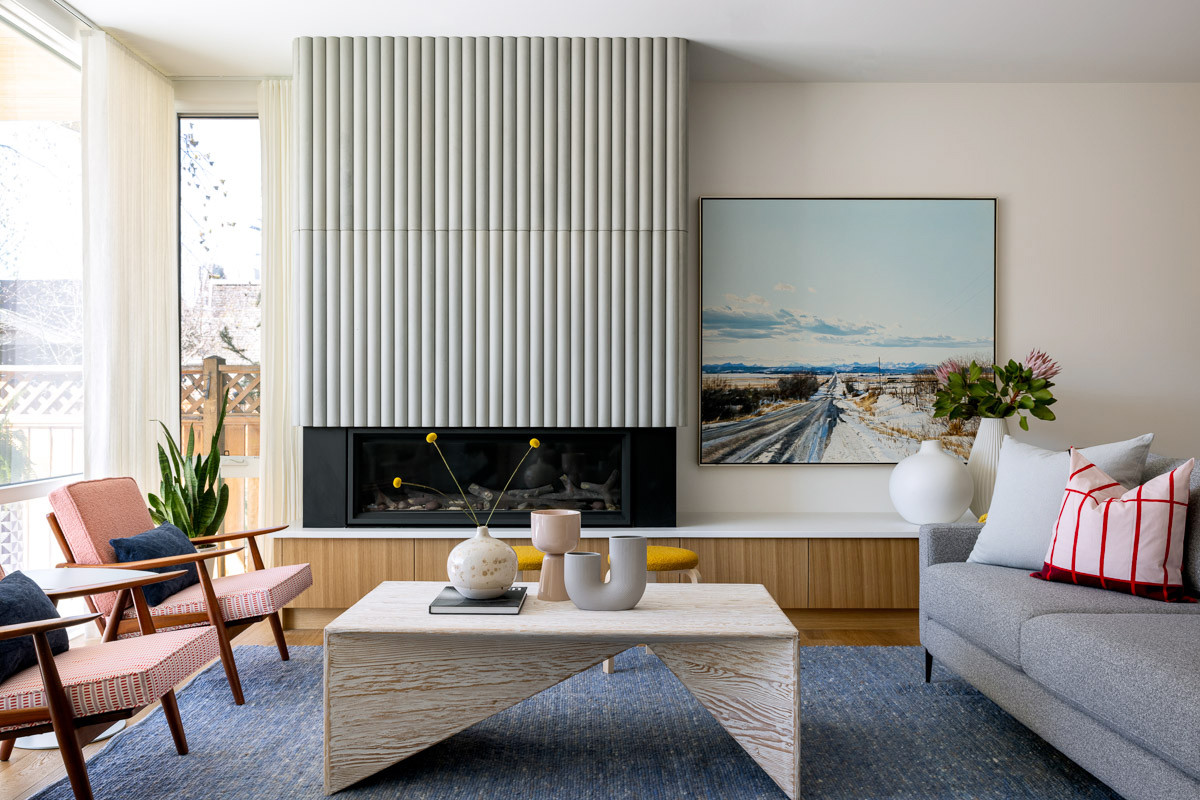
Modern life moves quickly, and many people carry daily stress into their homes without realizing how much their surroundings affect emotional well-being. A home should provide comfort, stability, and relaxation, yet cluttered layouts, poor lighting, noise, and disorganization can increase mental fatigue instead of reducing it.
Healthy home design is not only about aesthetics. It is about creating spaces that support emotional balance, physical comfort, and peace of mind. Thoughtful design choices can influence sleep quality, productivity, mood, relationships, and overall wellness.
The good news is that reducing stress at home does not always require expensive renovations or luxury interiors. Small changes in lighting, organization, color, airflow, and layout can create noticeable improvements in daily life.
Why Home Design Affects Mental Well-Being
The environment people live in has a direct effect on emotional health. Crowded spaces, constant noise, and visual clutter can overstimulate the brain and increase feelings of stress.
On the other hand, calm and organized environments help support:
- Relaxation
- Better sleep
- Improved concentration
- Emotional stability
- Reduced anxiety
- Healthier family interactions
A well-designed home can become a space that helps people recover from daily pressure instead of adding to it.
Natural Light Improves Emotional Health
Lighting is one of the most important factors in healthy home design.
Maximize Daylight Exposure
Natural light supports mood, energy levels, and sleep cycles. Homes with limited daylight often feel heavier and less inviting.
Simple ways to increase natural light include:
- Keeping windows unobstructed
- Using light-colored curtains
- Adding mirrors to reflect sunlight
- Choosing lighter wall colors
Bright, naturally lit spaces often feel more open and emotionally uplifting.
Use Warm Lighting in the Evening
Harsh artificial lighting can increase tension and disrupt relaxation.
Softer evening lighting creates a calmer atmosphere by:
- Reducing eye strain
- Encouraging relaxation
- Supporting healthy sleep routines
- Making living spaces feel more comfortable
Warm lighting is especially helpful in bedrooms and family gathering areas.
Decluttering Reduces Mental Overload
Clutter affects more than physical space. It also influences mental clarity.
Organized Spaces Feel Calmer
Excessive clutter can make people feel overwhelmed and distracted.
Benefits of organized spaces include:
- Improved focus
- Easier daily routines
- Reduced stress during busy periods
- Better emotional comfort
Even small organizational improvements can create a stronger sense of control.
Keep Frequently Used Areas Simple
Entryways, kitchens, and living rooms often become stress points because they are used constantly.
Helpful habits include:
- Using storage baskets
- Creating designated spaces for keys and bags
- Removing unnecessary items regularly
- Maintaining simple layouts
Functional organization reduces frustration and saves time.
Color Choices Influence Mood
Colors affect emotional responses more than many people realize.
Soft and Neutral Colors Create Calm
Calming colors can make spaces feel more peaceful and balanced.
Popular stress-reducing color choices include:
- Soft beige
- Light gray
- Warm white
- Muted green
- Pale blue
These tones often create a soothing environment without overwhelming the senses.
Avoid Overstimulating Color Schemes
Bright or highly saturated colors may increase mental stimulation when used excessively.
While bold accents can add personality, balance is important in spaces designed for relaxation.
Bedrooms and quiet areas generally benefit from softer visual environments.
Improve Air Quality and Ventilation
Fresh air contributes significantly to both physical and emotional wellness.
Poor Air Quality Can Increase Discomfort
Indoor air quality affects:
- Breathing
- Sleep quality
- Energy levels
- Concentration
- Allergies
Stuffy environments may increase fatigue and irritability.
Create Healthier Airflow
Simple improvements include:
- Opening windows regularly
- Using air purifiers
- Keeping ventilation systems clean
- Adding indoor plants where appropriate
Fresh airflow helps create more comfortable and refreshing living spaces.
Design Spaces for Relaxation
Homes should include areas dedicated to rest and emotional recovery.
Create Quiet Corners
Even small homes can include calming spaces.
A quiet corner may include:
- Comfortable seating
- Soft lighting
- Bookshelves
- Minimal distractions
These areas encourage relaxation and emotional decompression.
Separate Work and Rest Areas
Remote work and digital lifestyles have blurred the line between work and personal life.
Creating boundaries between workspaces and relaxation spaces helps reduce mental exhaustion.
Whenever possible:
- Avoid working from bed
- Keep office equipment separate from sleeping areas
- Create designated relaxation zones
- Limit work-related clutter in shared spaces
Physical separation helps the mind transition between responsibilities and rest.
Reduce Noise and Sensory Overload
Noise is a major source of daily stress.
Control Indoor Noise Levels
Constant background noise can affect concentration and emotional well-being.
Ways to reduce noise include:
- Using rugs and curtains to absorb sound
- Keeping televisions at moderate volume
- Closing windows during heavy traffic periods
- Creating device-free quiet times
Calmer sound environments support focus and relaxation.
Limit Constant Digital Stimulation
Many homes are filled with nonstop notifications, screens, and media.
Reducing digital noise can improve:
- Attention span
- Emotional calmness
- Sleep quality
- Family communication
Simple digital boundaries often create more peaceful environments.
Bring Nature Indoors
Natural elements help reduce stress and improve mood.
Indoor Plants Create Calming Environments
Plants can make homes feel fresher and more relaxing.
Benefits may include:
- Improved air quality
- Reduced stress levels
- Increased visual comfort
- Greater connection to nature
Low-maintenance plants are often enough to improve the atmosphere of a room.
Use Natural Materials
Wood, cotton, linen, stone, and other natural materials often create warmer and more comfortable spaces.
Natural textures help homes feel:
- More inviting
- Less artificial
- Emotionally grounding
- Visually balanced
Small details can significantly influence the overall feeling of a home.
Prioritize Comfortable Furniture
Comfortable furniture supports both physical and emotional wellness.
Choose Function Over Excess
Overcrowded rooms can feel stressful and restrictive.
Selecting furniture that is:
- Functional
- Comfortable
- Appropriately sized
- Easy to maintain
Creates a more peaceful environment.
Encourage Relaxation and Connection
Furniture layout affects how people interact.
Thoughtful arrangements can encourage:
- Conversation
- Family connection
- Relaxation
- Better movement throughout the home
Comfortable seating areas often become emotional gathering spaces for families.
Create Healthier Bedrooms
Bedrooms should support rest and emotional recovery.
Focus on Sleep-Friendly Design
Sleep quality affects nearly every aspect of wellness.
Stress-reducing bedroom habits include:
- Keeping bedrooms cool and dark
- Reducing clutter
- Limiting electronics
- Using calming colors and soft lighting
A peaceful bedroom encourages deeper and more restorative sleep.
Avoid Excessive Stimulation Before Bed
Bright lights, loud media, and work-related activity can interfere with relaxation.
Healthy evening environments help the body transition naturally into sleep.
Encourage Family Connection Through Design
Healthy home design also influences relationships.
Shared Spaces Strengthen Communication
Living rooms, dining areas, and kitchens often become gathering spaces.
Well-designed shared spaces encourage:
- Conversation
- Shared meals
- Family activities
- Emotional connection
Open and welcoming environments help families spend more meaningful time together.
Reduce Distractions During Family Time
Creating screen-free moments helps improve communication and emotional presence.
Families benefit from:
- Device-free dinners
- Shared hobbies
- Board games
- Reading together
Design choices that support interaction can strengthen relationships.
Use Minimalism Thoughtfully
Minimalism is not about empty spaces. It is about intentional living.
Keep Only What Adds Value
Reducing unnecessary possessions can:
- Simplify cleaning routines
- Reduce visual stress
- Improve organization
- Create calmer spaces
Intentional design often leads to more peaceful environments.
Avoid Perfectionism
A healthy home does not need to look flawless.
Comfort, functionality, and emotional warmth matter more than achieving a perfectly styled appearance.
Homes should feel lived in, welcoming, and supportive.
Healthy Kitchens Support Wellness
The kitchen often influences both physical and emotional health.
Organized Kitchens Reduce Daily Frustration
Simple kitchen organization can make routines smoother.
Helpful strategies include:
- Keeping counters uncluttered
- Storing frequently used items accessibly
- Planning meals ahead of time
- Maintaining clean preparation spaces
Functional kitchens reduce stress during busy schedules.
Encourage Healthier Eating Habits
The home environment affects food choices.
Healthy kitchen habits include:
- Displaying healthy snacks visibly
- Preparing meals at home more often
- Eating together regularly
- Creating calm meal environments
Positive food routines support overall wellness.
Final Thoughts
Healthy home design is about creating environments that support comfort, calmness, and emotional well-being. Small adjustments in lighting, organization, airflow, color, and layout can significantly influence how people feel every day.
A peaceful home does not require expensive upgrades or perfect interior design. What matters most is building spaces that reduce stress, support healthy routines, and encourage meaningful connection.
When homes are designed with wellness in mind, they become more than physical shelters. They become places where people can recharge emotionally, strengthen relationships, and improve their overall quality of life.
Frequently Asked Questions
1. How does home design affect stress levels?
Home design influences lighting, noise, organization, comfort, and emotional atmosphere, all of which can affect stress and mental well-being.
2. What colors are best for creating a calming home?
Soft neutral tones, muted greens, pale blues, and warm whites are commonly associated with calm and relaxation.
3. Can small homes still support healthy living environments?
Yes. Organization, lighting, airflow, and intentional design choices can improve comfort and reduce stress even in smaller spaces.
4. Why is natural light important for emotional health?
Natural light helps regulate mood, energy levels, and sleep patterns, making indoor environments feel more uplifting and comfortable.
5. How can families reduce stress through home organization?
Maintaining clutter-free shared spaces, creating storage systems, and simplifying routines can reduce daily frustration and mental overload.
6. What role do indoor plants play in wellness-focused homes?
Indoor plants can improve visual comfort, support air quality, and create a stronger connection to calming natural elements.
7. How can bedrooms be designed to improve sleep quality?
Bedrooms should include calming colors, minimal clutter, soft lighting, comfortable temperatures, and limited digital distractions to support better sleep.

Comments are closed.